
First hour on site: $80–$180
Covers getting a licensed plumber to you and starting the work. Ask before booking, not after the invoice arrives.
Hot water that has given up, a mixer that drips, a toilet that runs, a leak showing on a wall, a gas appliance that needs connecting properly. All of it is licensed work, all of it is what we do, and you get the number before anyone picks up a tool.
Licensed plumbing covers far more than most people picture. Water supply and drainage inside the property, hot water units and their valves, tapware and toilets, gas appliance connections, stormwater pits and downpipes, and every fixture position behind a renovation are all inside it, and all of it carries a licence requirement in NSW.
Knowing that is genuinely useful when you are choosing who to call. A handyman may not legally touch gas, and stormwater is plumbing rather than landscaping. Asking for a licence number before anyone starts takes thirty seconds and rules out the jobs that have to be done twice.


Many properties share drainage runs across townhouse and duplex developments, so one blockage needs a camera and the right access to clear it properly.
In a strata building the dividing line is usually whether the pipework serves your lot alone or more than one. A branch inside your walls feeding only your bathroom is generally yours; the stack it joins, and anything in common property, generally is not.
Getting that settled before the work starts is what stops an invoice becoming an argument. We are used to writing it up so the strata manager has what they need, and we would rather spend ten minutes on it up front than have you chasing reimbursement for a month.
Water moving downhill fast is not automatically good. On a steep run the liquid can outrun what it is carrying, and the solids settle at the first flat section rather than continuing. That is why a fault on a sloping block often recurs at the same point regardless of how careful the household is.
It is a gradient problem, not a usage problem, and no amount of careful flushing fixes it. Seeing the profile of the line is what turns it into a defined repair instead of an annual visit.
Most homes around Beaumont Hills have a low grate outside, usually near a back step or beside the laundry wall, that nobody thinks about until the day it runs. It is set deliberately below the lowest fixture inside so that when something downstream stops taking water, it spills into the garden rather than through your floor.
Beaumont Hills’ gently sloping estate blocks rely on stormwater pits and lines that silt up and back up when heavy rain hits the Hills.
If yours is buried under mulch, pavers or a new deck, that protection is gone and nobody will notice until the overflow finds the hallway instead. Finding it and keeping it clear is a five minute job that has saved a lot of carpet.
As the suburb’s estate gardens and street trees mature, their roots reach into pipe joints and small cracks, a growing cause of recurring blockages here.
Roots are not looking for your pipe. They are looking for water and air, and a joint that has opened even slightly gives them both. That is why the same species can sit beside a sound line for fifty years and colonise a failing one in two seasons.
The practical answer is almost never the chainsaw. A mature tree is usually worth more to the property than the repair costs, and the roots already inside the line do not leave when the trunk does. Sealing what they came through is the fix.
Apartment work is often less about the plumbing and more about coordination: getting into the unit below to see where it is landing, booking a lift, giving notice for water shutdown to a whole line of lots.
A plumber who does this regularly plans for it. If we need to isolate a riser, we will tell you what notice the building requires and work to it, because turning up and shutting water off to twelve apartments unannounced is how a small job becomes a building-wide complaint.
Covers getting a licensed plumber to you and starting the work. Ask before booking, not after the invoice arrives.
Business hours across Sydney in 2026. Out-of-hours work costs more for the obvious reason and should be disclosed up front.
One fixture, one visit, minor parts included. Taps, toilets, valves and the flexible hoses that quietly fail.
Elements, thermostats, tempering valves and anodes. Worth doing on a tank with years left, not worth doing on one that is corroded through.
Renovation rough-in, gas work and excavation get a written number before a tool comes out, not an estimate that drifts.
Indicative Sydney ranges for 2026. Your job gets a fixed price before work starts. Figures here are indicative of the 2026 Sydney market rather than a quote from us, you get your own number as a fixed price before any work starts.

One call reaches someone who can tell you what it probably is and what it is likely to cost, including when the honest answer is that it can wait until the week.
The nearest available crew covers Beaumont Hills and the streets around it, stocked for the faults this housing stock actually produces rather than a generic van fit-out.
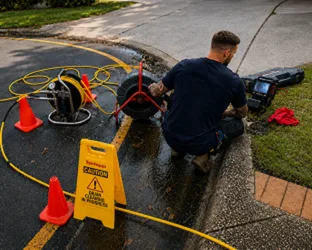
You see what failed and why, and you get one fixed number covering the repair. If opening it up changes the job, you hear that then and not later.

Completed, tested, tidied, and documented where NSW requires a compliance certificate for the work carried out.
Leave your details and a licensed plumber will call back, tell you what it is likely to be, and book it only if it actually needs booking.
The questions that come up on the phone most often, answered properly.

Call for the fastest answer, or send the form and a local plumber will come back to you with a time rather than a sales call.

Leave your details and our local Beaumont Hills team will call you back fast.